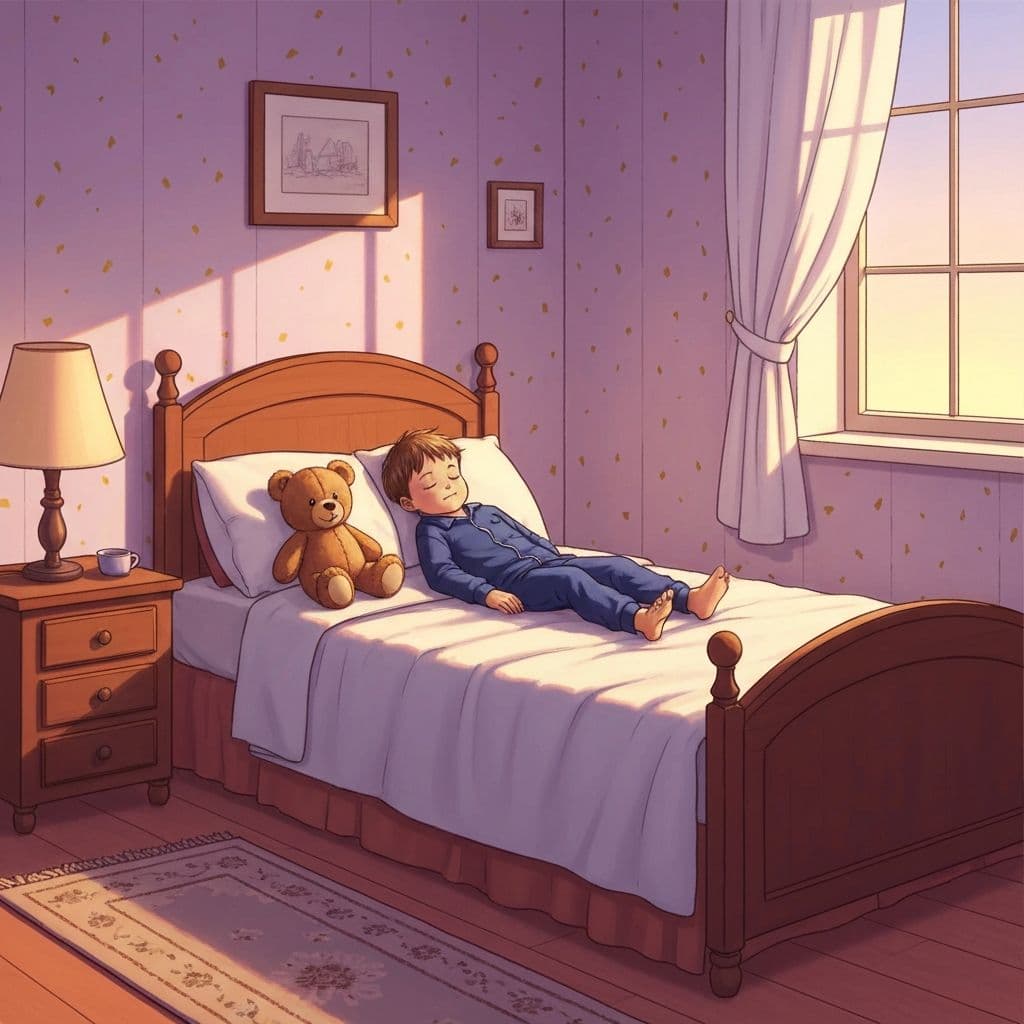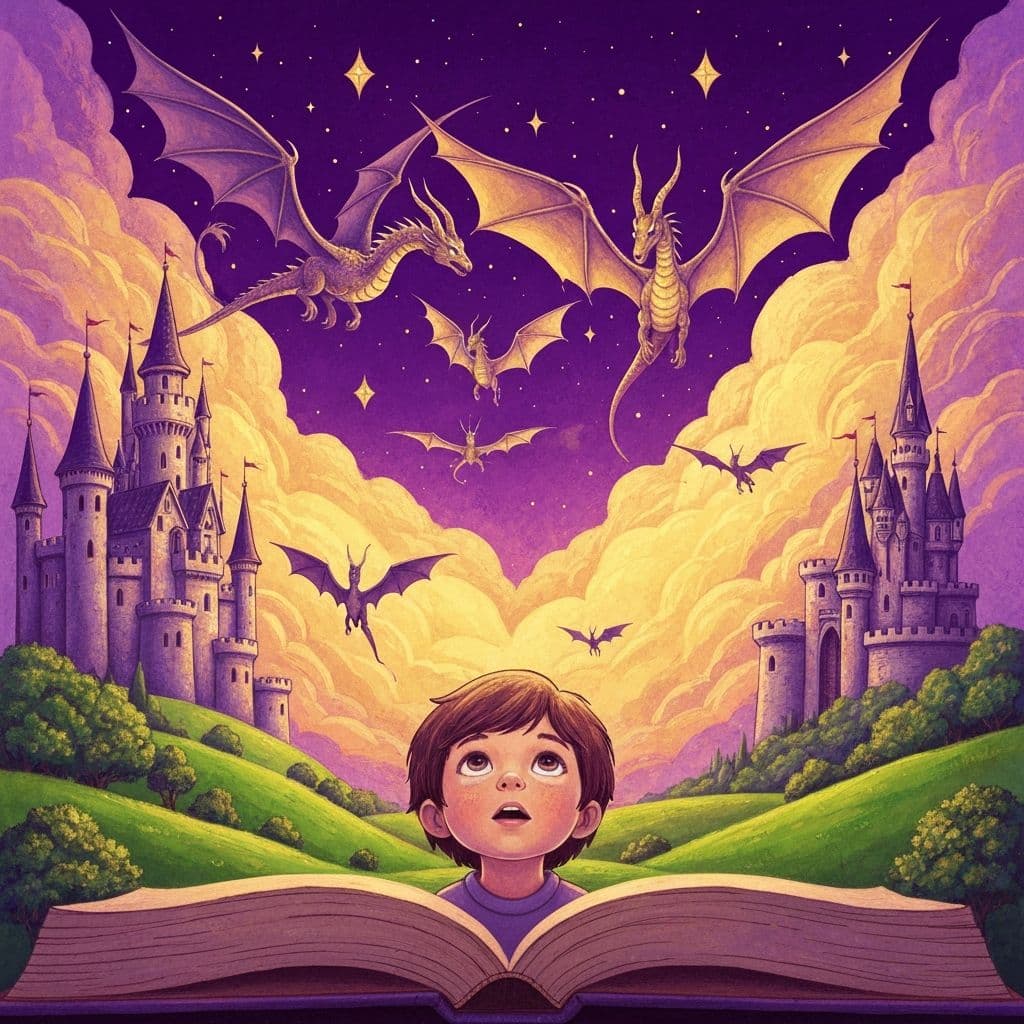

My older son refused to sit still for a book until we found the right story.
The reluctant reader
My son refused books at age four. He'd wriggle, complain, demand snacks. Every evening felt like a battle I was losing. I tried library trips, flashy picture books, audiobooks. Nothing stuck.
Then one afternoon I told him a story about a boy who could turn into a cheetah. His eyes went wide. He didn't move for twenty minutes.
The magic of seeing yourself in the story
Personalisation is rooted in how the brain works. When children hear their own name or recognise their own world in a narrative, self-referential processing centres activate, making the story more memorable and emotionally resonant.
You don't need a PhD to use this. Just ask: what is your child obsessed with this week? Dinosaurs, football, space? Put that at the heart of the story.
Practical ways to personalise story time
Use their name as the hero
Even in a published book, you can swap in your child's name when you read aloud. Children notice immediately and lean in.
Include their real world
Reference your street, their school, their best friend. Suddenly the story isn't somewhere out there — it's happening right here.
Let them steer the plot
'What should happen next?' transforms passive listening into active co-creation.
Anna writes about family life, parenting wins, and the occasional spectacular failure.