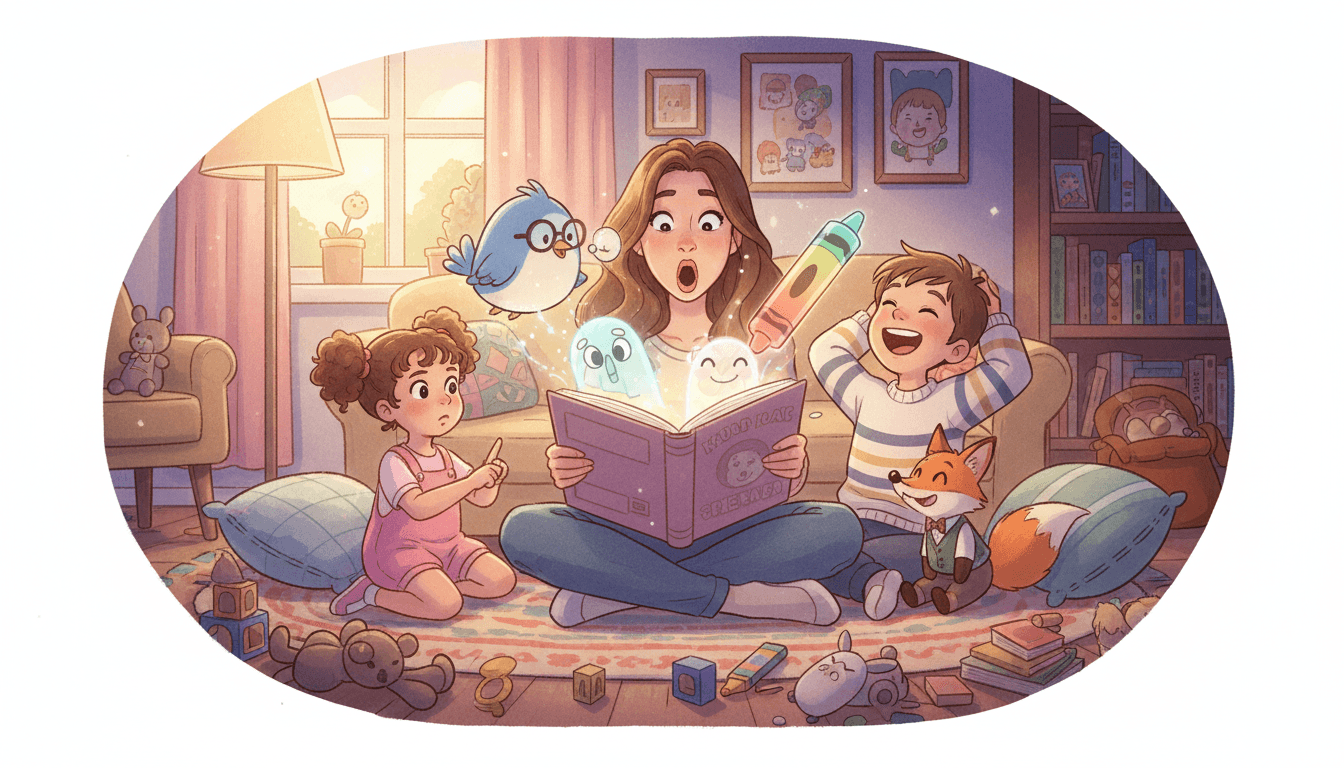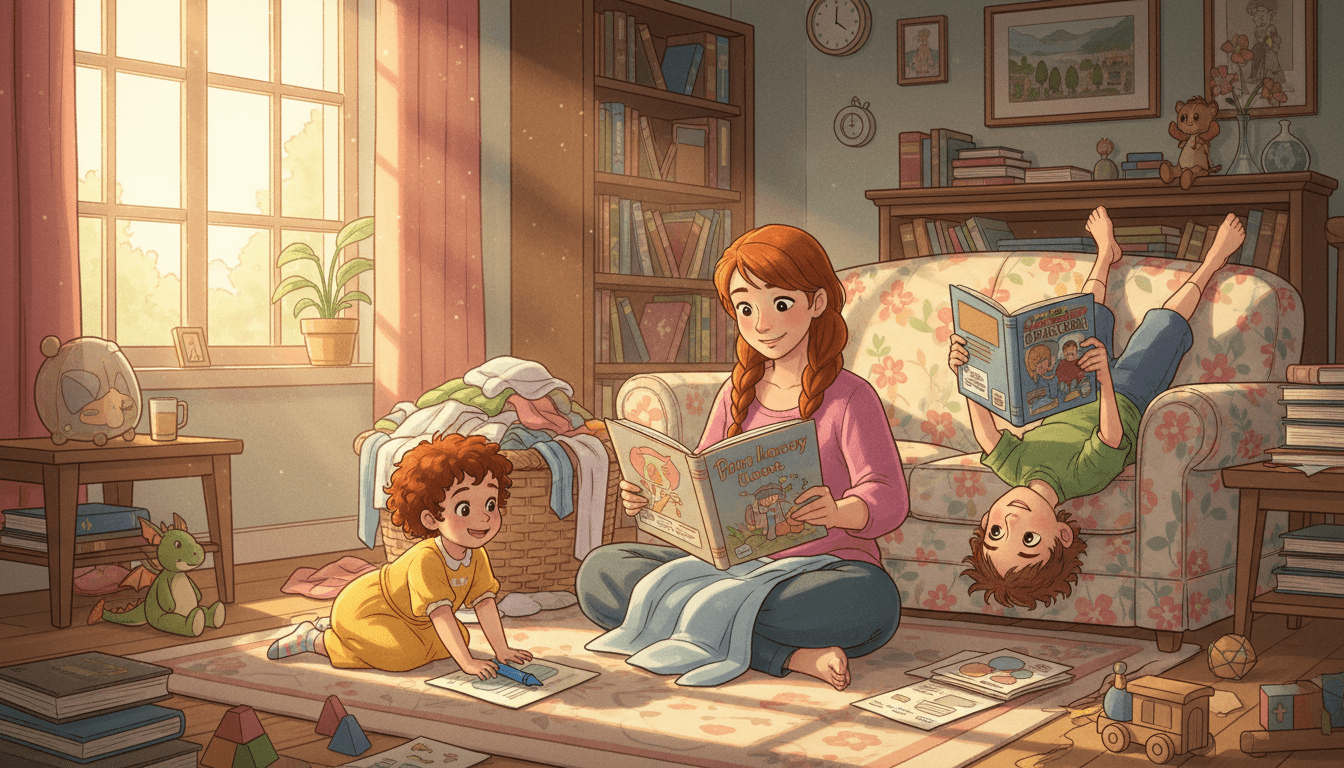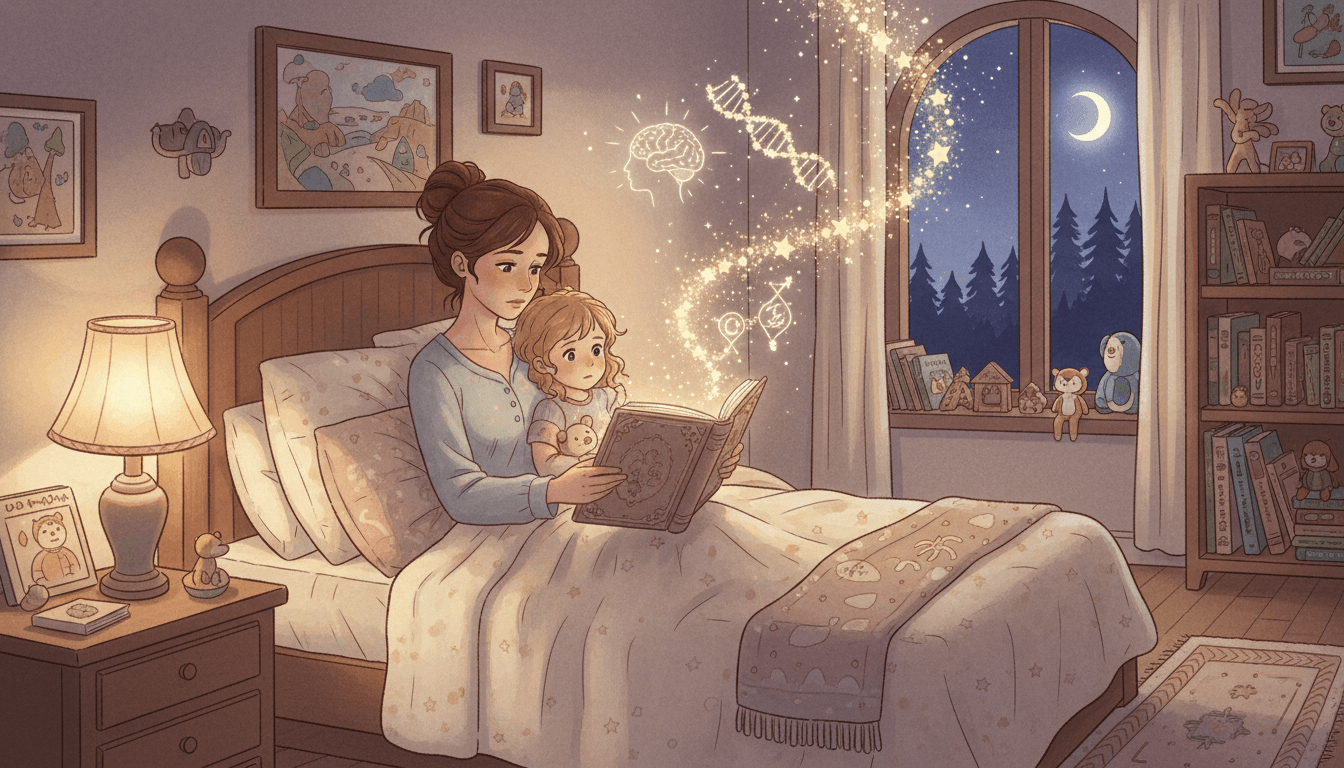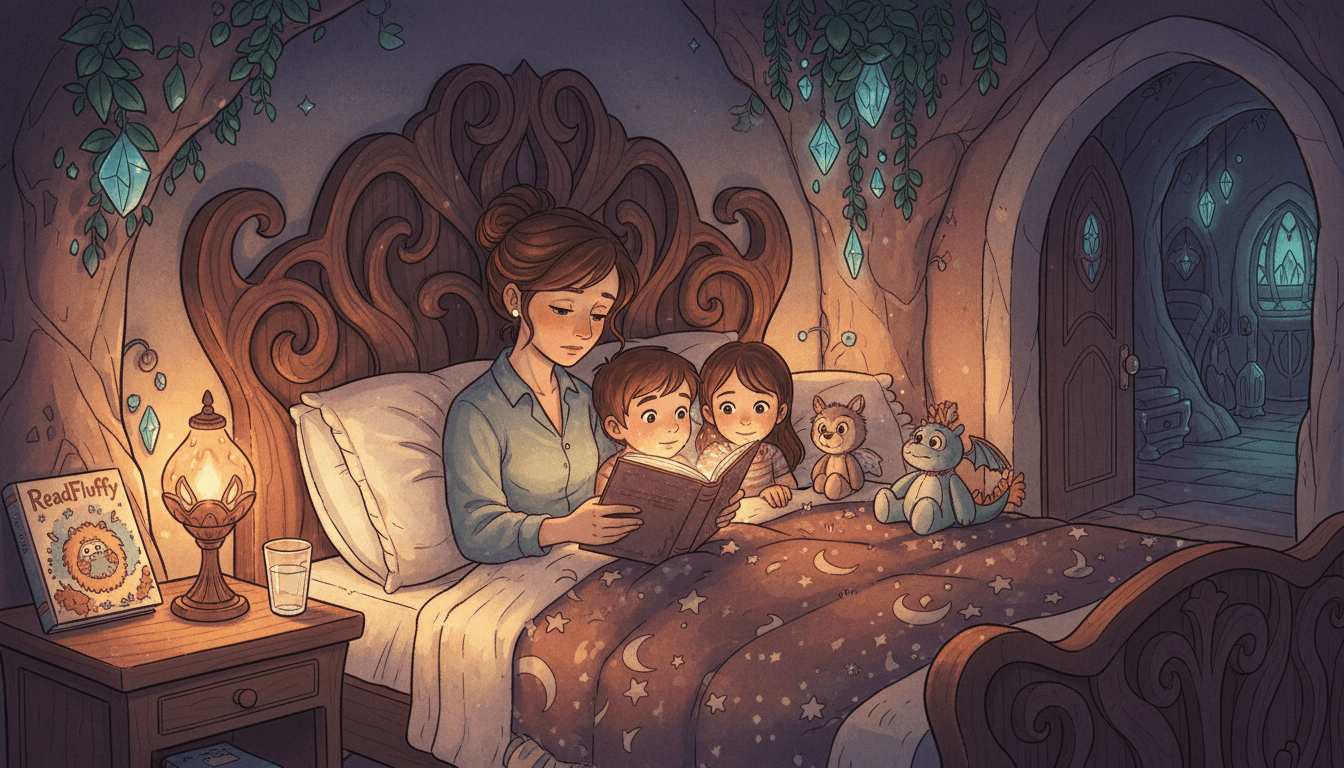

A frazzled mom of two dives into the science of melatonin vs. the power of a good bedtime story. Can we actually get the kids to sleep without the gummies? 💤
Is Melatonin the Secret? A Tired Mom’s Deep Dive into Sleep Science
It is 9:47 PM. My eight-year-old is suddenly an expert on the structural integrity of Lego towers, and my three-year-old has requested a "different" glass of water four times. I am currently sitting on the hallway floor, wondering if my children have somehow evolved to function without rest while I am physically aging ten years every hour. 😩
We’ve all been there, right? The desperate moment when you stare at that bottle of melatonin in the pharmacy aisle like it’s a tiny, plastic holy grail. But before we start handing out gummies like they’re party favors, my "Logic Brain" (which only functions after coffee) decided to do some actual research.
What is Melatonin Anyway? (Science for Tired Brains)
Melatonin isn't a "knockout pill," even though we sometimes wish it worked like one. It’s actually a hormone our bodies naturally produce to say, "Hey! The sun is down, stop jumping on the sofa!" It regulates our circadian rhythm—our internal clock that manages sleep and wake cycles. 🕰️
According to the American Academy of Pediatrics (AAP), there has been a massive surge in kids using these supplements. BUT—and this is a big "but"—it’s a hormone, not a snack. Our kids' brains are still building their own natural sleep factories, and we don't want to mess with the blueprints without being careful.
The "Magic" Bottle vs. Reality
I get the temptation. I REALLY do. When you’ve read Goodnight Moon for the 400th time and they are still doing parkour, a supplement feels like the only answer. However, research from the National Sleep Foundation reminds us that things like blue light from screens actually block our kids' natural melatonin production.
So, before we supplement, we have to look at the environment. Are we accidentally caffeinating them with iPads and bright overhead lights right before bed? (Guilty! 🙋♀️)
Better Than a Bottle: Natural Sleep Hacks
If you want to skip the supplements and try the "science of cozy" instead, here is what is actually working in my chaotic household:
- The Low-Tech Sensory Countdown: 30 minutes before bed, we dim EVERY light. We’re talking "vampire cave" vibes. It signals the brain to start pumping out that natural melatonin.
- Stuffed Animal Meditation: I tell my daughter her teddy bear is sleepy and she needs to breathe deeply so he can hear her "calm heart." It works about 80% of the time, which is a miracle in parent-math. 🧸
- The Reading Ritual: This is the big one. Reading a physical book (not a tablet!) lowers cortisol and builds a psychological bridge to sleep. Use stories that are rhythmic and soothing.
Why Storytelling is Your Secret Weapon
There is actual logic behind why we read to our kids. It’s not just about literacy; it’s about emotional regulation. When my son listens to a story, his heart rate slows down and his imagination takes over from the "fight or flight" energy of the day. 📖
This is why we created ReadFluffy. We wanted a way to make storytelling easy and calming without the harsh blue light of typical apps. It’s designed to be a tool in your "get to sleep" arsenal, focusing on gentle narratives that help your little monsters turn back into sleepy angels.
My "I’m Losing It" Checklist for Better Sleep:
- Consult the Pro: Always talk to your pediatrician before starting melatonin. Seriously. They need to check the dosage!
- The Screen Ban: No iPads or TVs at least one hour before bed. (Yes, even if they whine. STAY STRONG.)
- Consistency over Perfection: Doing the same three steps—bath, PJ's, story—every night creates a "sleep trigger" in the brain.
- Leverage Literature: Use apps like ReadFluffy to find stories that help bridge the gap between "play mode" and "sleep mode."
At the end of the day (literally), we are all just trying to survive until the next nap time. Whether you use supplements under a doctor's care or stick to the "vampire cave" method, remember that you’re doing a great job.
Now, if you'll excuse me, I hear a Lego tower crashing. Send help. Or coffee. ☕️
Have you ever accidentally fallen asleep in the toddler bed while trying to get them down? Tell me I'm not the only one who has woken up at midnight with a cramp in my neck and a glitter sticker on my forehead!
*Ready to reclaim your evenings? Download ReadFluffy today and turn bedtime battles into peaceful adventures.*🔍