
Ever felt like your kid's "sorry" was actually a secret eye-roll? Anna shares why forced apologies are out and genuine "repair" is in—with a little help from children's literature.
Yesterday morning, my 3-year-old daughter looked me dead in the eye, threw my favorite mascara into the toilet, and muttered a "Sowwy" that sounded more like a threat than an apology.
I’m pretty sure she wasn’t actually feeling remorseful. She just knew that saying the Magic Word™ would get her back to her goldfish crackers faster. WE HAVE ALL BEEN THERE, RIGHT? 😫
We spend so much time policing "The Sorry" that we forget what it’s actually for. It’s not about the word; it’s about the REPAIR.
I used to force my 8-year-old to apologize to his sister every time he "accidentally" knocked over her block tower. The result? A series of aggressive, Through-Gritted-Teeth grunts that basically meant: "I’m only saying this so Mom stops hovering."
According to Dr. Becky Kennedy, forced apologies focus on shame rather than connection. When we push kids to say it before they feel it, we’re just teaching them how to perform a script. 📜
In our house, I’ve started admitting when I lose my cool. Last week, I apologized for snapping during the Great Crayon Incident of 2024. Seeing Mom admit a mistake actually gave them the "permission" to be human too!
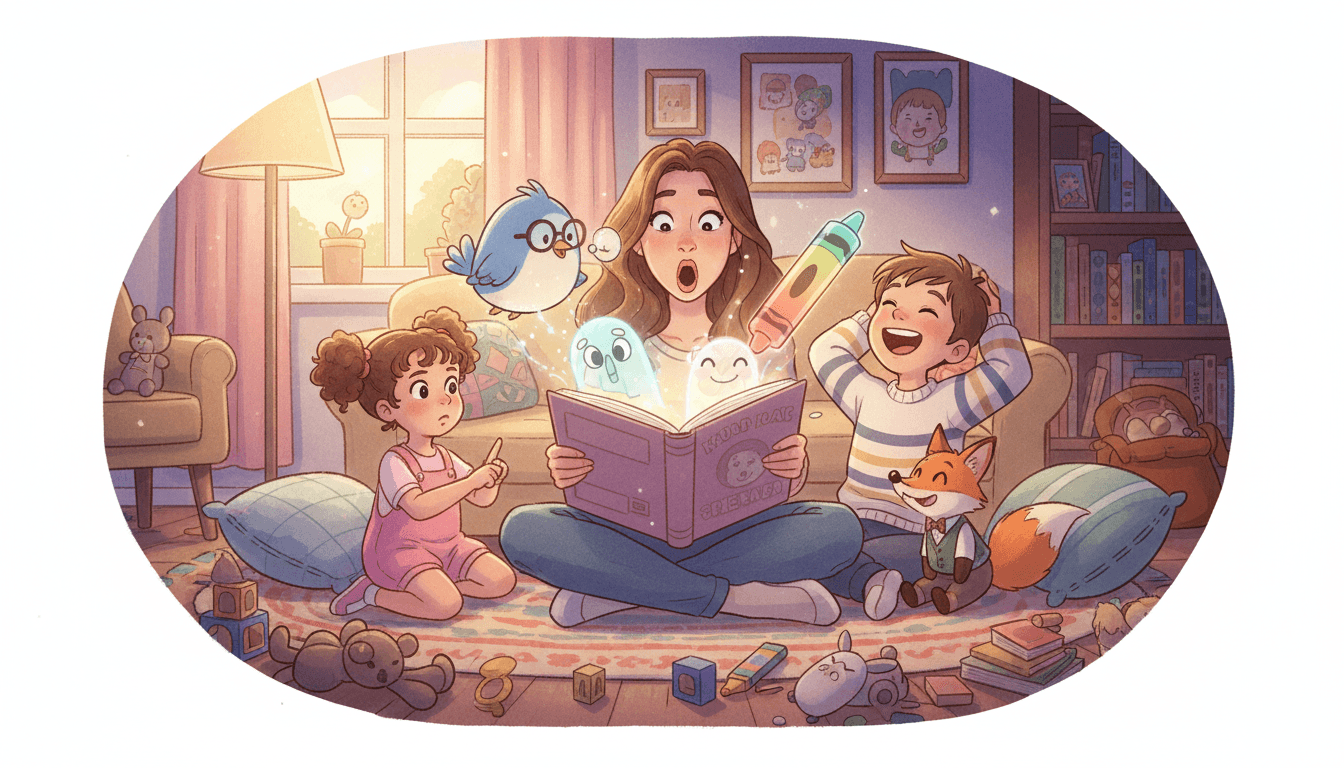
This is where stories come in as my secret weapon. Sometimes it’s easier to talk about how a character felt than to address our own messy feelings directly.
Books like The Rabbit Listened by Cori Doerrfeld are literal lifesavers. They show that sometimes "repair" isn't even a word—it’s just being there. We use the ReadFluffy app to find stories that skip the "happily ever after" clichés and get into the real grit of being a good friend. 📱✨
If you’re tired of the "Empty Sorry" epidemic, here are a few ways we’ve started teaching genuine accountability:
- The 'Do-Over' Method: Instead of a forced word, ask, "Do you want a do-over?" It gives them a chance to try the interaction again with more kindness.
- The Three-Part Apology: Help them say: "I am sorry for [X]. It was wrong because [Y]. Next time, I will [Z]." It turns a grunt into a plan. 🛠️
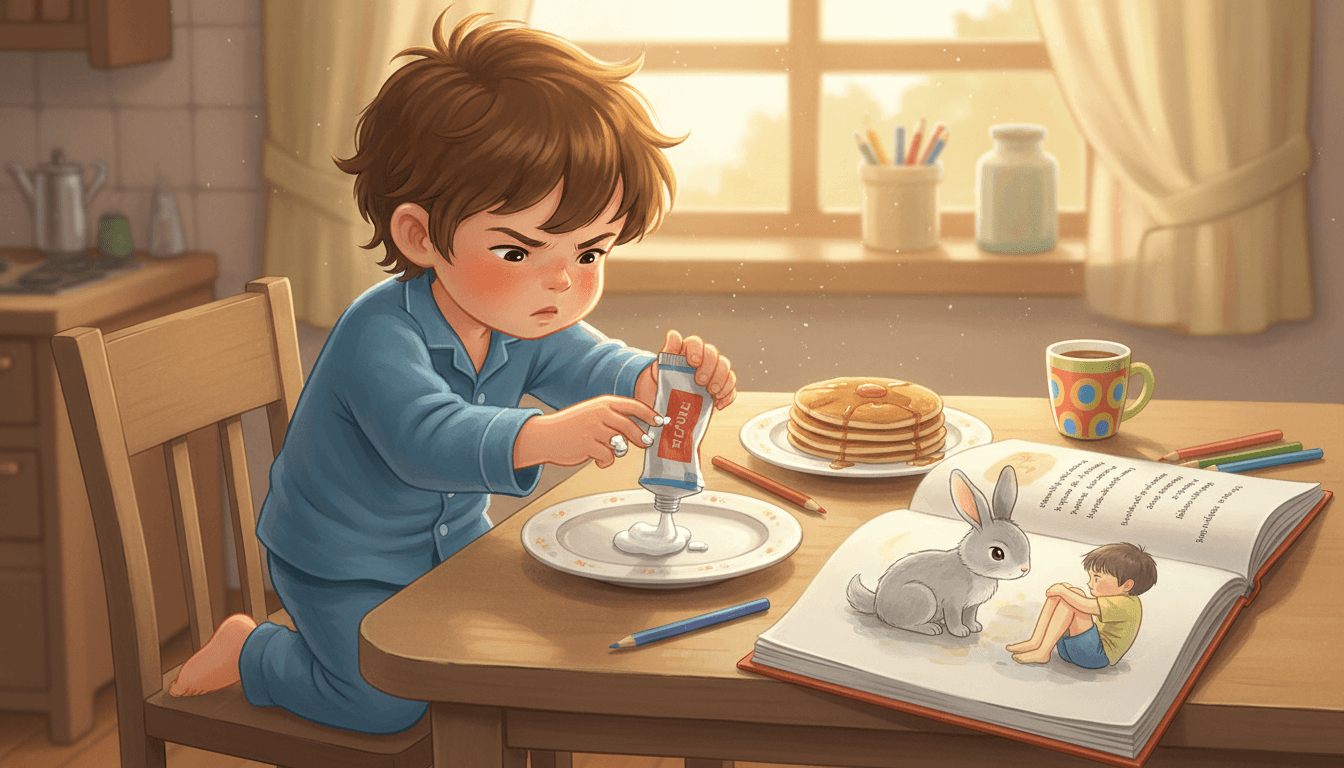
- The Toothpaste Experiment: Squeeze some toothpaste out on a plate and ask them to put it back in the tube. It’s a messy, hilarious way to show that words can’t be unsaid once they are out!
- Use Story Mode: Use the ReadFluffy app to read about characters who mess up. Ask, "What do you think that character could do to make their friend feel better?"
- Focus on the Victim: Instead of looking at the "offender," I turn my attention to the person who was hurt. "How can we help your brother feel better?" This builds empathy, not just obedience.
Teaching our kids to mend a heart is way more important than teaching them to follow a rule. It’s exhausting, it’s messy, and it usually involves a lot of deep breathing on my part. 🧘♀️
What’s the most hilariously insincere apology your child has ever given you? I once got a "Sorry you're mad that I ate the cake," which... was technically honest, I guess?
Let's raise kids who know how to fix what they break—whether it’s a block tower or a heart. Check out ReadFluffy for more stories that help teach these big lessons!
Love and (mostly) patience, Anna