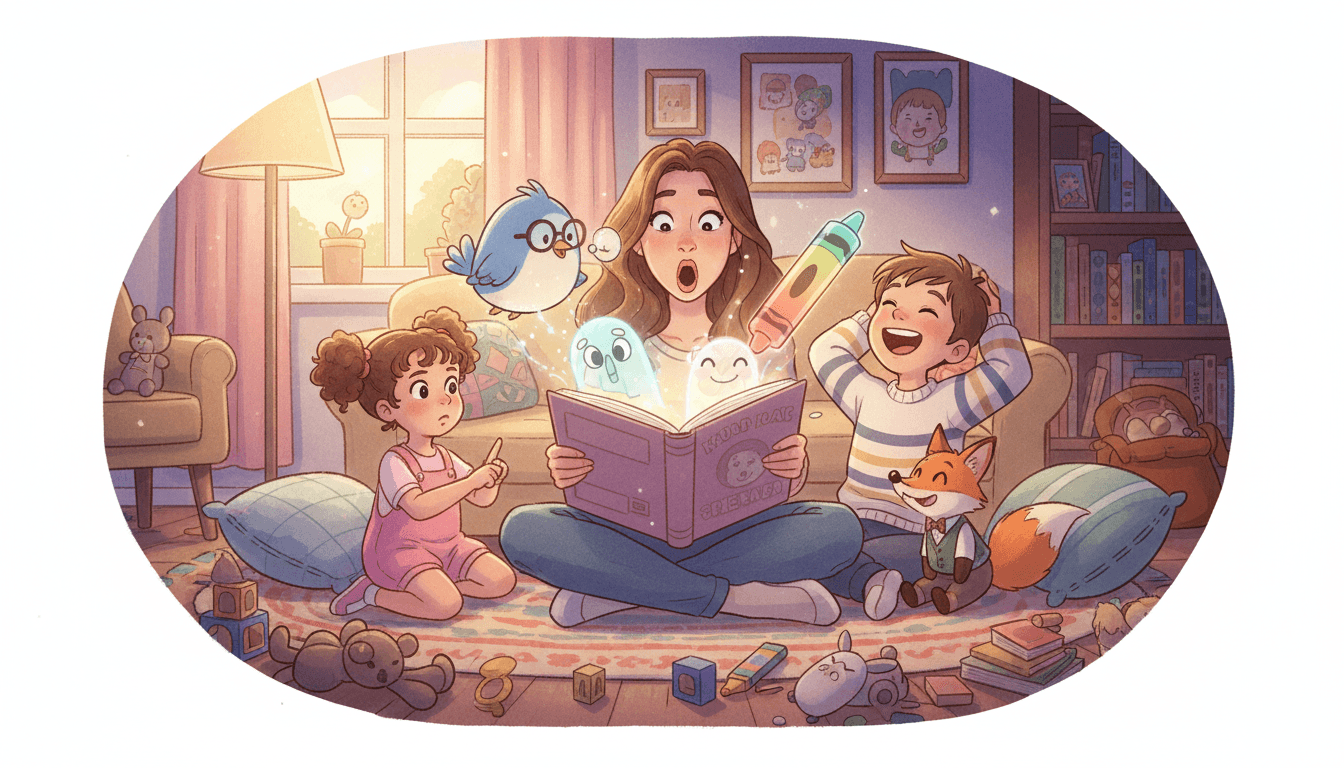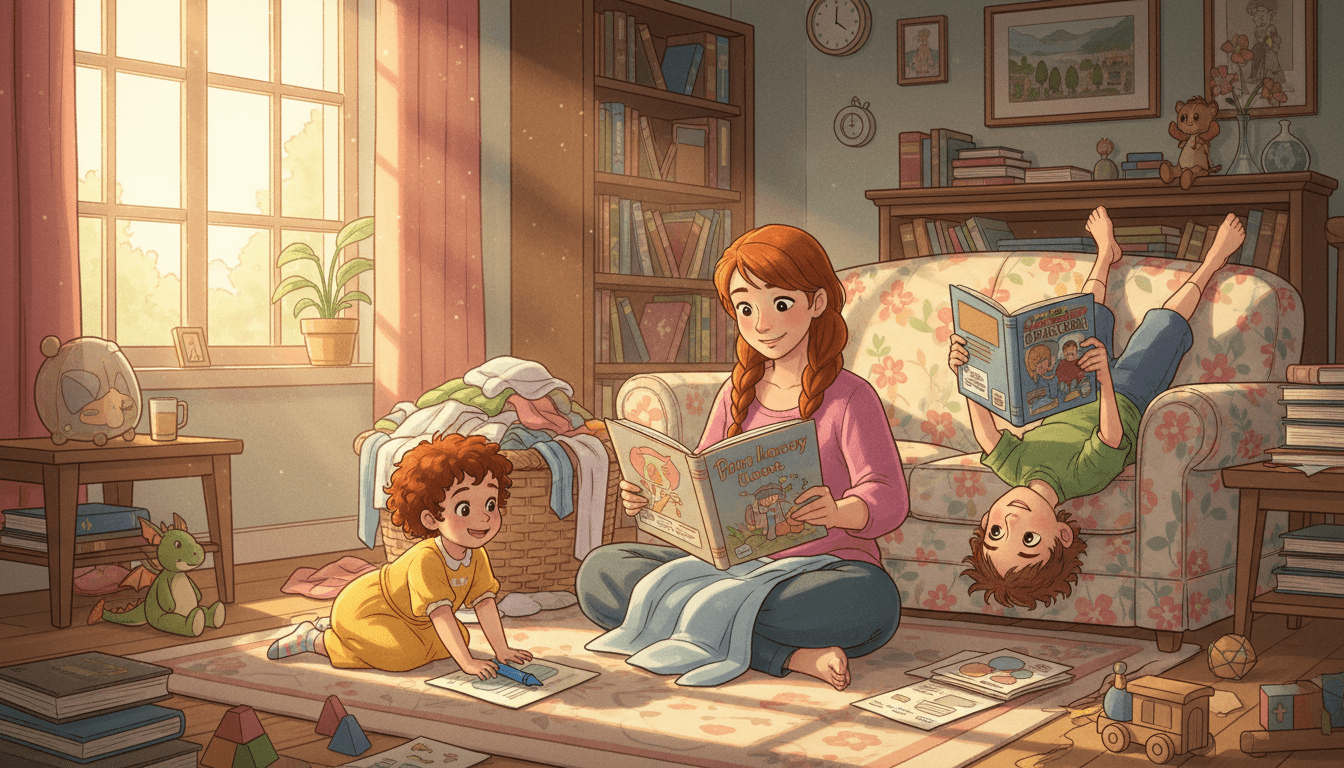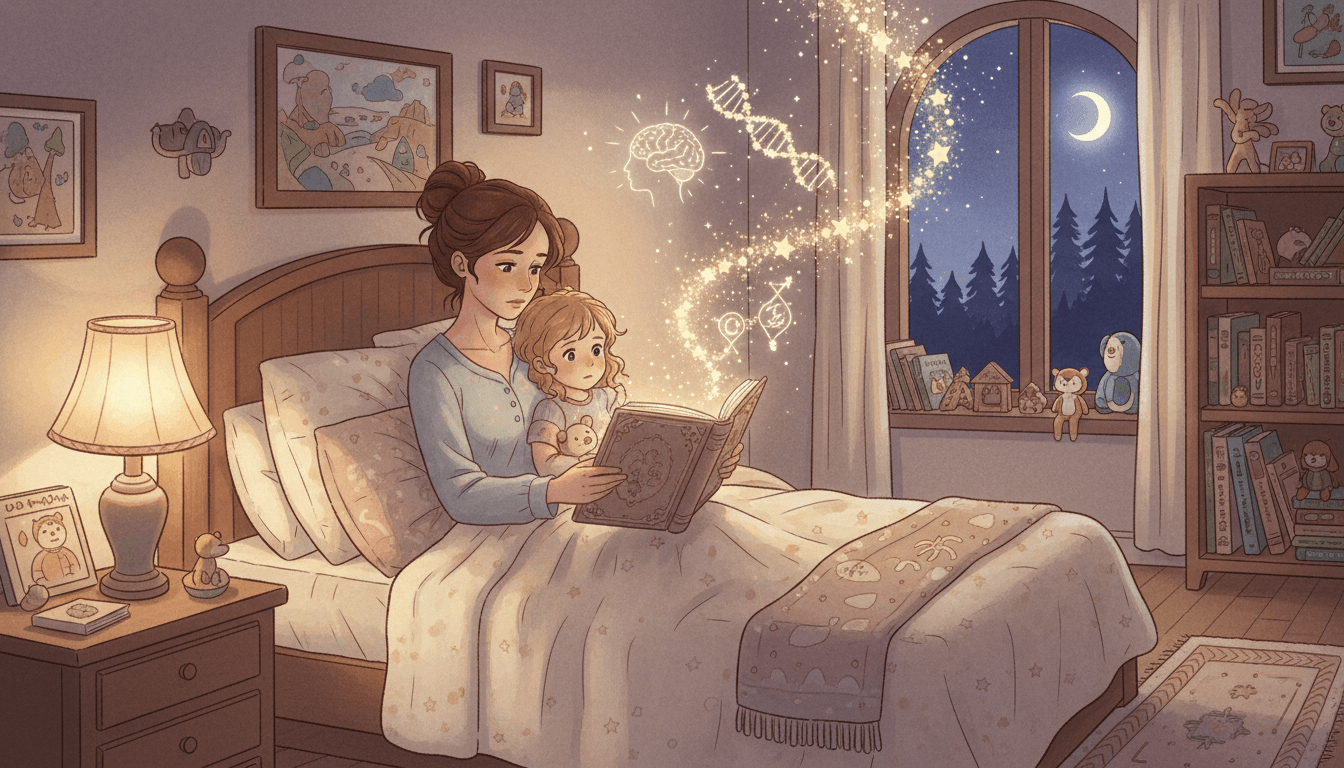

Confession: I used to think my kids' obsession with dragons was a sign they were detached from reality. Turns out, it's actually making them smarter! Here's why escapism is the best brain workout.
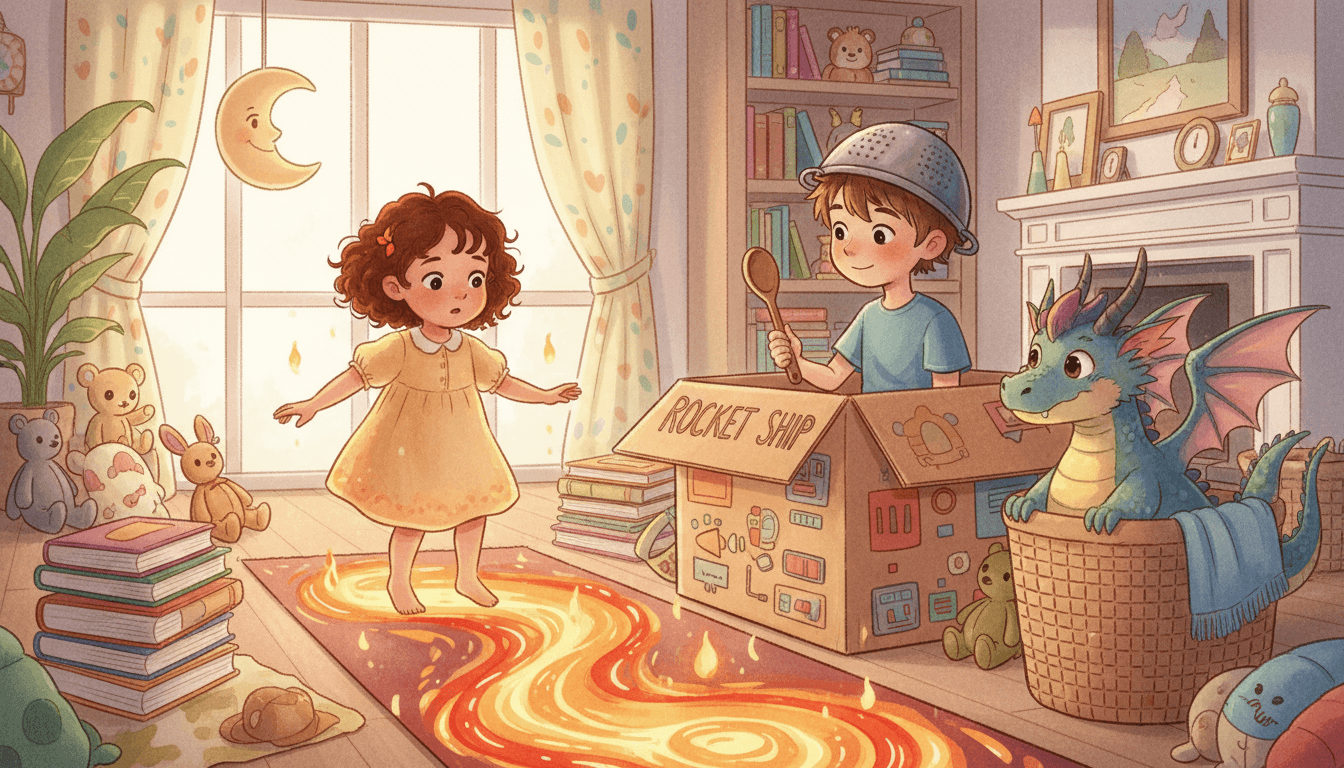
My three-year-old is currently convinced that the hallway runner is actually a river of scorching lava. My eight-year-old? He’s busy negotiating a peace treaty with a dragon who lives in the laundry basket.
I used to worry that they were "escaping" into their heads a bit too much. You know the feeling—the guilt that says they should be doing more "grounded" activities instead of pretending a cardboard box is a portal to another dimension. 🦄
But here is the truth: that "escapism" isn't a distraction; it is a MASSIVE workout for their brains. In fact, Dr. Jacqueline Woolley's research on the fantasy-reality distinction shows that kids who dive deep into imaginary worlds are actually better at understanding the real world.
Why the "Touch Grass" Myth is Wrong
People always say kids need to "get back to reality." But for a child, fantasy is a safe rehearsal for real life. When my daughter battles a "scary" invisible giant, she’s actually learning how to manage her own very real fear and anxiety.
Imagining impossible things—like a princess who saves herself (shoutout to The Paper Bag Princess!)—helps them build cognitive flexibility. It teaches them that there isn't just one way to solve a problem. If they can figure out how to feed a dragon on a budget, they can figure out a math problem! 🐉
Monsters as Emotional Safety Nets
My son had a rough time at school last week. Instead of talking about his feelings, he spent the whole afternoon writing a story about a knight who felt "very tiny" in a big castle. 🏰
The American Academy of Pediatrics says child-led, imaginative play is vital for brain development. It gives them a safe space to process big emotions without feeling overwhelmed. Our kids aren't checking out; they are checking in with their own hearts through the lens of a story.
How to Embrace the Chaos (Without Losing Your Mind)
If your living room currently looks like a dragon’s lair, don't panic. Here is how I encourage their wild imaginations without actually letting the house burn down:
- World-Building in a Box: Never throw away a large delivery box. It’s not trash; it’s a spaceship, a castle, or a library for tiny trolls.
- Reverse Storytelling: While reading, let your child change the ending. What if Max didn't leave the island in Where the Wild Things Are? It builds incredible agency.
- Household Prop Improv: A whisk is a magic wand. A colander is a knight’s helmet. Let them see the magic in the mundane! ✨
- Use Digital Tools Wisely: When my voice is tired (which is... always), I use ReadFluffy. It’s perfect for fueling that creative fire with stories that spark new adventures.
Let Them Dream Big
We don't need to fear the dragons or the "escapism." As C.S. Lewis famously suggested, a child doesn't start liking the real world more because you take away the fairy tales.
In fact, the more they explore the "impossible," the more equipped they are to handle the "possible." So, let the laundry basket stay a dragon's nest for one more day.
Want to take their storytelling to the next level? Give ReadFluffy a try—it’s the ultimate sidekick for your little world-builders. Download the app today and let the adventures begin! 🚀
What is the weirdest imaginary friend your child has ever had? Mine was a piece of broccoli named "Steve." Just me? 🥦🤣