
Ever wonder why your kids are obsessed with the 'little guy' winning? It turns out their brains are hardwired for underdogs—and it's the secret to raising resilient humans!
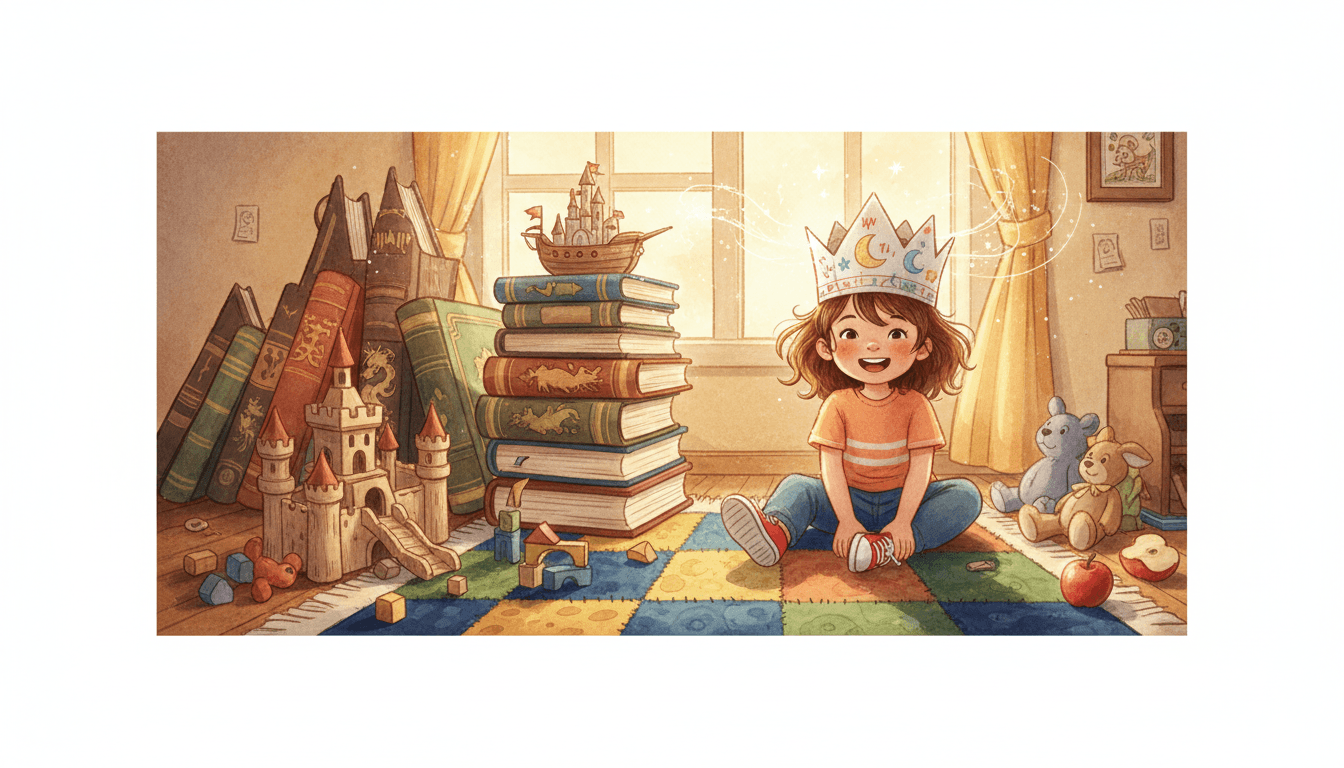
Yesterday, my three-year-old daughter spent ten solid minutes trying to put her own shoes on. I watched her huff, puff, and accidentally kick the cat, until she finally managed to shove her left foot into the right shoe and declare herself a queen. 👑
It hit me then: life is basically one giant obstacle course when you’re only three feet tall. Everything—from the kitchen counter to the local slide—is designed for giants twice your size. No wonder she’s obsessed with stories about tiny mice outsmarting foxes!
As parents, we often want our kids to look up to the "perfect" superheroes. But let’s be real: perfection is EXHAUSTING. Our kids don't want a hero who never falls; they want a hero who looks like them—small, a bit clumsy, and constantly told "no" by the world.
The Science of the Small
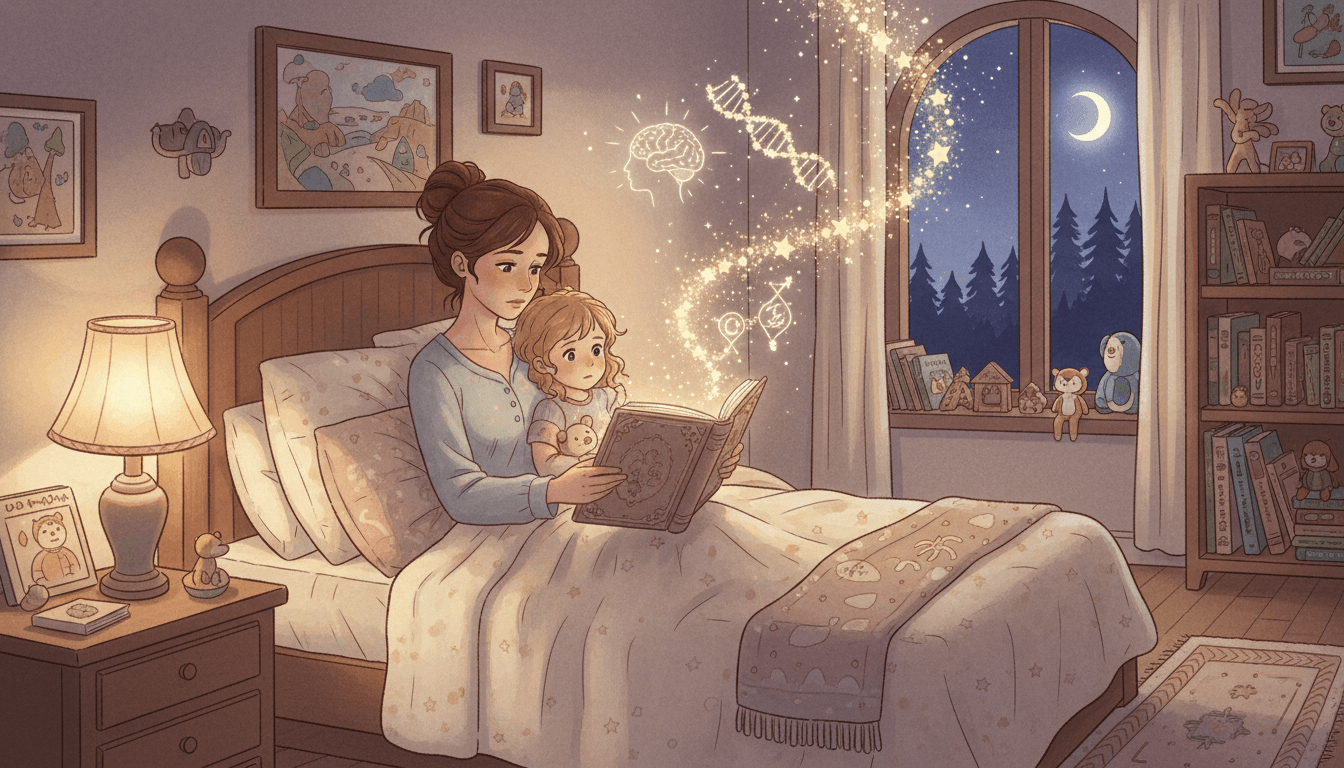
According to research in Developmental Psychology, kids aren't just being cute when they root for the underdog. Their brains are actually hardwired for it! Cheering for a smaller, weaker character helps them build mirror neurons, which are the building blocks of empathy.
When my eight-year-old son reads about a character overcoming a massive bully, he isn't just entertained. He’s practicing for real life. As Dr. Carol Dweck often discusses in her work on the "Growth Mindset," seeing a character struggle and eventually succeed teaches kids that effort matters more than innate power. 💪
Why "Perfect" is Boring
We think our kids want the Shiny Knight on the White Horse. In reality? They want the Scruffy Pony who got lost but found his way home. Perfect heroes are actually a bit of a self-esteem killer because they’re impossible to emulate.
When a story features a "cliché" hero who wins without breaking a sweat, it doesn't give our kids a roadmap for their own failures. We need the "Anti-Cliché" approach. We need the characters who mess up, get frustrated, and keep going anyway.
Turning Stories into Resilience
So, how do we take these "David vs. Goliath" stories and turn them into life lessons without sounding like a boring textbook? Here is what works in our chaotic household:
- The "What If?" Game: Next time you're reading, ask, "What if the mouse was actually scared instead of brave?" It helps them see that feeling small is okay.
- Celebrate the "Struggle Jar": We started a jar where we write down things that were hard but we tried anyway. It’s not about the win; it’s about the sweat! 🏺
- Read Together on ReadFluffy: If you’re tired of the same three books (I see you, parent-of-a-toddler), ReadFluffy has a goldmine of stories that celebrate the little guy.
- Let Them See You Fail: This is the hard one. When I burn the toast or trip over a Lego, I try to laugh and say, "Well, that didn't go as planned! Let's try again."
In an adult-led world, our kids often feel powerless. Underdog stories are their way of reclaiming that power. They remind our children that being small doesn't mean being weak. It just means you have a more interesting story to tell.
What is that one underdog story your kid demands on repeat until your eyes cross? Let's take a deep breath, survive the bedtime routine, and remember: we’re all the underdogs of our own stories sometimes! 💖